
Are Drones Cost-Efficient in Agriculture?
May 2,2024
11:00 AM
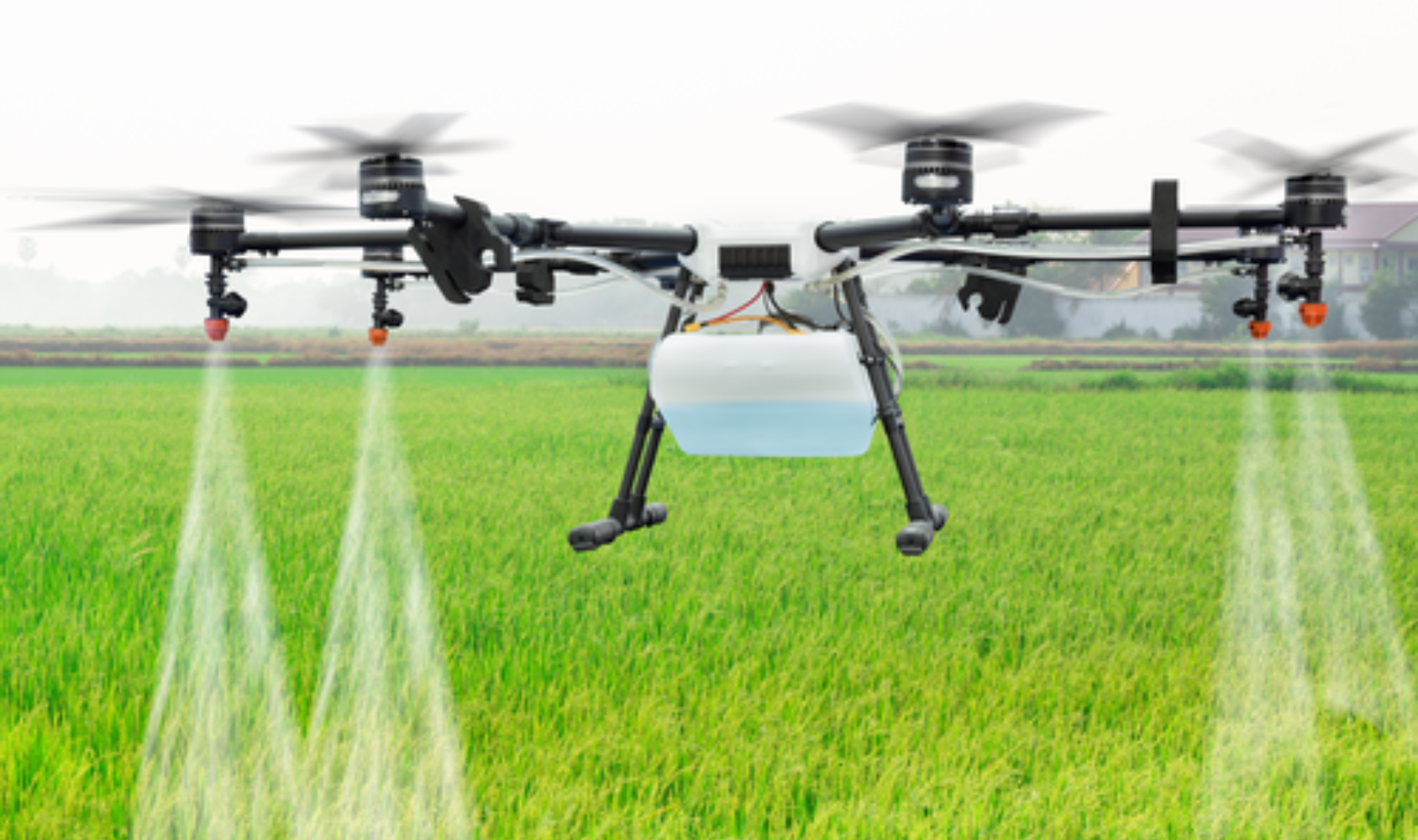
In recent years, drones have soared into the agricultural landscape, promising to revolutionize farming practices. These unmanned aerial vehicles (UAVs) offer a range of capabilities, from crop monitoring to precision spraying, with the potential to improve efficiency and yield. But are drones truly cost-efficient in agriculture?
The Promise of Drones in Agriculture:
Drones present a suite of advantages for modern agriculture. One of their primary benefits lies in their ability to collect high-resolution data quickly and efficiently. Equipped with various sensors such as multispectral, thermal, and LiDAR, drones can capture detailed information about crop health, moisture levels, and soil conditions. This data, when analyzed using advanced algorithms and machine learning techniques, enables farmers to make informed decisions regarding irrigation, fertilization, and pest management
Moreover, drones facilitate precision agriculture by offering targeted interventions. With the ability to precisely apply fertilizers, pesticides, and herbicides to specific areas of a field, farmers can minimize input wastage and reduce environmental impact. This targeted approach not only conserves resources but also enhances crop health and productivity.
The Cost Consideration::
While drones hold immense potential, their cost-effectiveness in agriculture hinges on several factors. The initial investment in drone technology can be significant, encompassing the purchase of the UAV itself, sensors, software, and training. Additionally, ongoing expenses such as maintenance, licensing, and insurance add to the overall cost of drone adoption
However, despite the upfront investment, drones can deliver substantial long-term savings. By providing timely and accurate data, drones empower farmers to optimize inputs, thereby reducing operational costs. For example, by identifying areas of water stress or nutrient deficiency, farmers can tailor their irrigation and fertilization strategies, minimizing overuse and maximizing resource efficiency.
Furthermore, drones enhance operational efficiency by enabling swift decision-making. Traditional methods of field monitoring, such as manual scouting or satellite imagery, are time-consuming and may not provide real-time insights. In contrast, drones offer rapid data collection and analysis, allowing farmers to respond promptly to emerging challenges, such as pest infestations or disease outbreaks.
Case Studies and Real-World Applications:
Several studies and real-world applications demonstrate the cost-effectiveness of drones in agriculture. Research conducted by universities, agricultural organizations, and technology companies has shown that drones can lead to significant improvements in yield and resource utilization while reducing input costs
For instance, a study published in the *Journal of Applied Remote Sensing* found that drones equipped with multispectral cameras could accurately detect crop stress caused by water deficiency, enabling farmers to adjust irrigation schedules and reduce water usage by up to 50%. Similarly, a case study conducted by a farming cooperative in the Midwest United States reported a 25% reduction in pesticide usage and a 30% increase in yield following the adoption of drone-enabled precision spraying.
In conclusion, while the initial investment in drone technology may seem daunting, the long-term benefits far outweigh the costs for many farmers. Drones offer unparalleled capabilities in data collection, analysis, and precision application, enabling growers to optimize resource utilization, enhance crop health, and boost productivity. As technology continues to evolve and costs decrease, drones are poised to become an indispensable tool in modern agriculture, driving efficiency, sustainability, and profitability for farmers worldwide.