
Revolutionizing Indian Agriculture: The Crucial Role of Technology
Jan 8,2024
11:00 AM
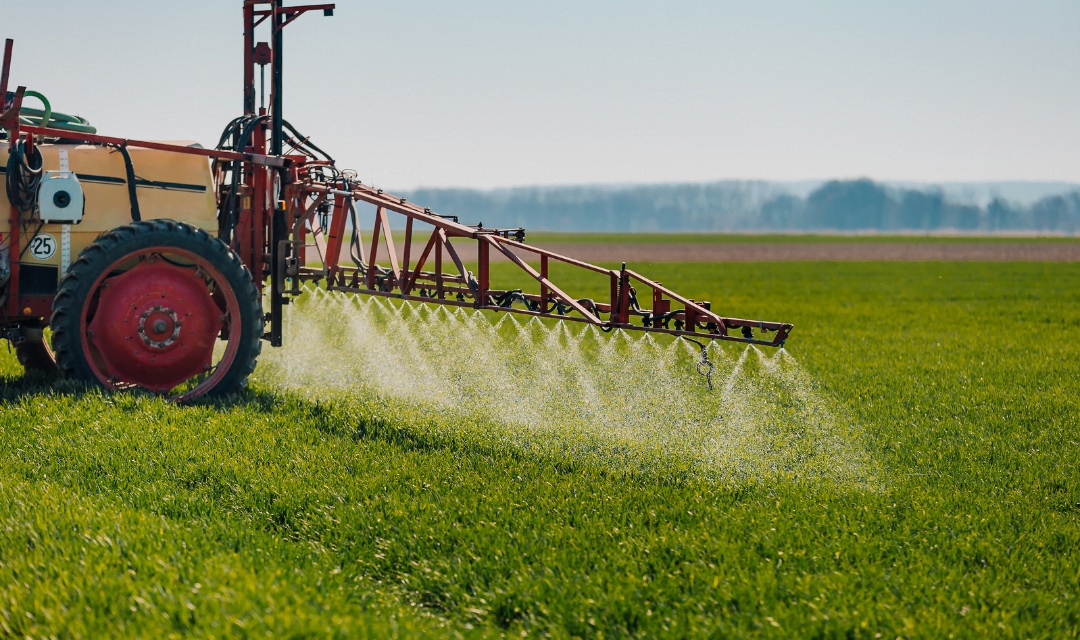
Agriculture has long been the backbone of India's economy, employing millions and contributing significantly to the country's GDP. However, the sector faces numerous challenges, including fragmented land holdings, water scarcity, unpredictable weather patterns, and declining productivity. In recent years, technology has emerged as a game-changer, revolutionizing Indian agriculture and offering solutions to address these challenges. In this blog, we will explore the transformative impact of technology on Indian agriculture and its crucial role in shaping the future of the sector.
-
Precision Farming:
Technology-enabled precision farming techniques, such as GPS-guided tractors, drones, and sensors, have revolutionized agricultural practices in India. These advanced tools allow farmers to optimize resource usage, minimize wastage, and maximize yields. By precisely monitoring soil moisture levels, nutrient content, and crop health, farmers can make informed decisions about irrigation, fertilization, and pest control, leading to higher productivity and profitability.
-
Climate-Smart Agriculture:
With climate change posing a significant threat to agricultural productivity, technology plays a crucial role in promoting climate-smart agriculture practices. Innovations such as weather forecasting models, crop simulation tools, and drought-resistant seed varieties empower farmers to adapt to changing climatic conditions and mitigate risks. By leveraging climate-smart technologies, Indian farmers can enhance resilience, reduce vulnerability, and ensure sustainable food production in the face of climate variability.
-
Access to Market Information:
Technology has transformed the way Indian farmers access market information, enabling them to make more informed decisions about crop selection, pricing, and marketing. Mobile apps, online marketplaces, and agricultural extension services provide real-time market updates, commodity prices, and trade opportunities, empowering farmers to negotiate better prices and access lucrative markets. By bridging the information gap between farmers and buyers, technology facilitates transparent and efficient agricultural value chains, benefiting both producers and consumers.
-
Digital Financial Inclusion:
Financial inclusion is critical for the economic empowerment of smallholder farmers in India. Technology-driven initiatives, such as mobile banking, digital payments, and microfinance services, are expanding access to formal financial services for rural communities. By digitizing transactions and reducing reliance on cash, farmers can overcome barriers to credit, savings, and insurance, enabling them to invest in modern farming inputs, equipment, and technologies. Digital financial inclusion not only improves livelihoods but also fosters economic growth and poverty reduction in rural India.
-
Agricultural Extension Services:
Technology-enabled agricultural extension services play a vital role in disseminating knowledge, information, and best practices to Indian farmers. Mobile apps, interactive websites, and multimedia content provide extension agents and farmers with access to training modules, expert advice, and troubleshooting solutions. By leveraging digital platforms, extension services can reach remote and marginalized communities, empowering farmers with the knowledge and skills needed to adopt sustainable and profitable farming practices.
Technology has become a powerful catalyst for transforming Indian agriculture, driving innovation, efficiency, and sustainability across the entire value chain. By harnessing the potential of digital technologies, Indian farmers can overcome traditional constraints, unlock new opportunities, and thrive in an increasingly competitive and dynamic agricultural landscape. As the country continues its journey towards agricultural modernization, investments in technology adoption, infrastructure development, and policy support are essential to realizing the full potential of Indian agriculture in the 21st century.