
Addressing the Necessity of Pesticides and Fertilizers in Agriculture
May 2,2024
11:00 AM
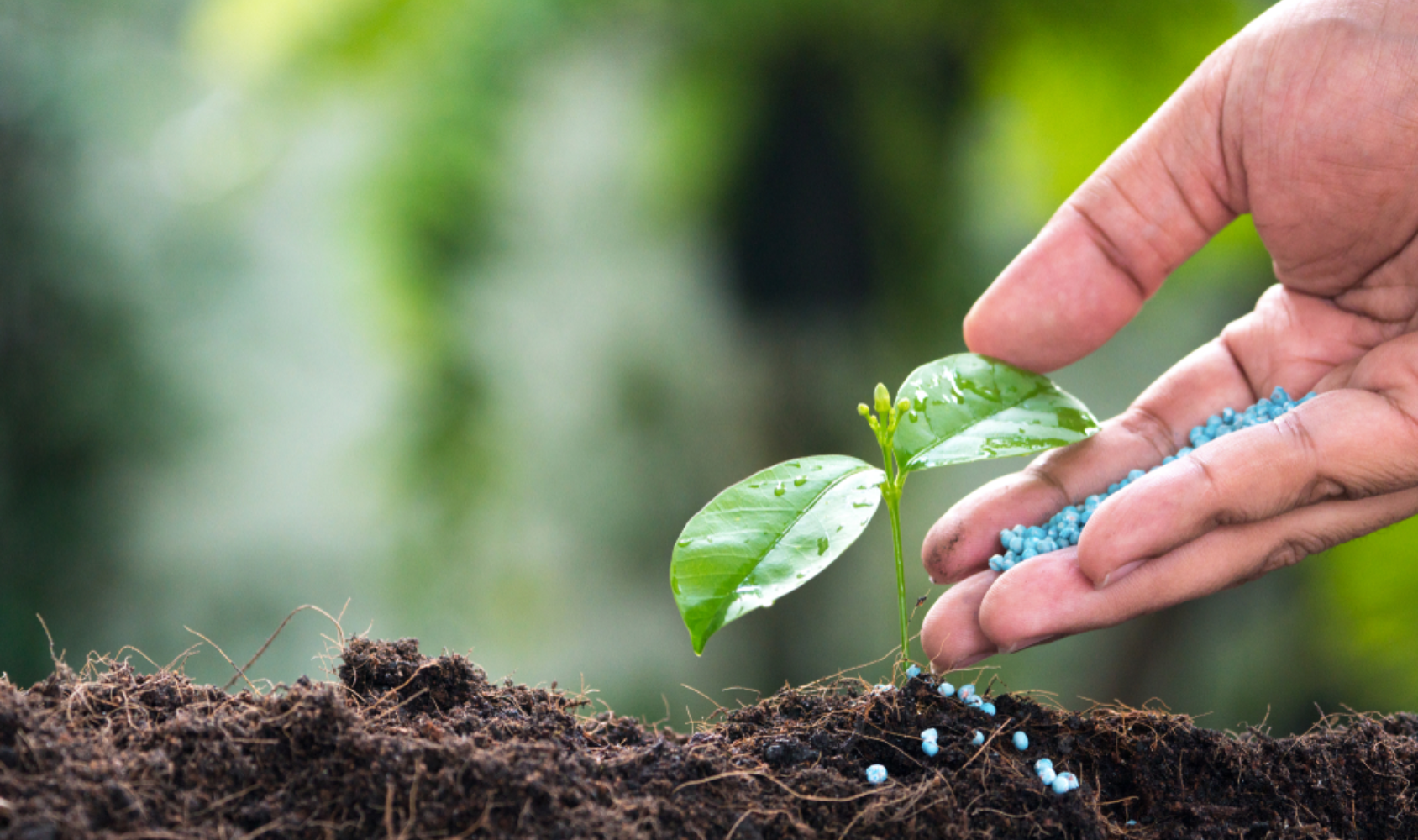
In the ongoing debate surrounding modern agricultural practices, the incessant usage of pesticides and fertilizers remains a contentious issue. While concerns about their environmental impact and potential health risks persist, it's essential to acknowledge the crucial role these substances play in ensuring global food security and sustainable agriculture
Maximizing Crop Yields:
Pesticides and fertilizers are instrumental in maximizing crop yields, ensuring that farmers can produce enough food to meet the demands of a growing global population. Pesticides protect crops from pests, diseases, and weeds, reducing yield losses and safeguarding the quality of agricultural produce. Fertilizers provide essential nutrients to plants, enhancing their growth and productivity, ultimately increasing overall agricultural output
Addressing Food Insecurity:
In many parts of the world, particularly in developing countries, agriculture remains the primary source of livelihood and sustenance for millions of people. Pesticides and fertilizers enable farmers to overcome various challenges such as unpredictable weather conditions, soil degradation, and pest infestations, thereby safeguarding food production and livelihoods. Without these inputs, farmers would struggle to maintain viable yields, exacerbating food insecurity and poverty levels.
Environmental Considerations:
While the use of pesticides and fertilizers has undeniable benefits for agricultural productivity, it's crucial to acknowledge their potential environmental impacts. Misuse or overuse of these chemicals can lead to soil degradation, water pollution, loss of biodiversity, and adverse effects on human health. However, with proper management practices, including integrated pest management and precision agriculture techniques, the negative environmental impacts can be minimized while maximizing agricultural productivity.
Balancing Sustainability:
The challenge lies in striking a balance between agricultural productivity and environmental sustainability. Sustainable agriculture aims to optimize crop yields while minimizing negative environmental impacts, ensuring the long-term viability of food production systems. This requires adopting practices such as crop rotation, conservation tillage, organic farming methods, and the targeted use of pesticides and fertilizers to promote soil health, biodiversity, and ecosystem resilience.
Investing in Research and Innovation:
To address the complexities of modern agriculture, continued investment in research and innovation is essential. This includes developing new pest-resistant crop varieties, bio-based pesticides, precision farming technologies, and sustainable nutrient management practices. By harnessing scientific advancements, farmers can mitigate the reliance on conventional pesticides and fertilizers while improving agricultural efficiency and sustainability.
While the use of pesticides and fertilizers in agriculture raises legitimate concerns about environmental sustainability and human health, their necessity for ensuring global food security cannot be overstated. By adopting responsible and sustainable farming practices, leveraging technological innovations, and promoting research and education, it's possible to strike a balance between agricultural productivity and environmental stewardship, ensuring a secure and sustainable food future for generations to come.